

 (708) 798-1900
 Request Service

How to Hire an Electrician: A Guide to Finding Safe and Reliable Help
By: Omar Muhammad
Key Takeaways
- Safety comes first. Electrical issues contribute to tens of thousands of home fires each year, and many start with small, preventable problems.
- Know the warning signs. Flickering lights, warm outlets, burning smells, and frequent breaker trips should never be ignored.
- Professional work matters. Complex electrical repairs and upgrades should always be handled by licensed electricians to ensure safety and code compliance.
- Plan for the future. Modern homes and businesses require updated electrical systems to safely support EV chargers, high-efficiency appliances, and home offices.
Hiring an electrician isn’t just about fixing a problem—it’s about protecting your home, your investment, and everyone inside it. Electrical work done incorrectly can lead to fire hazards, failed inspections, or costly repairs down the road. Whether you’re dealing with a small repair or planning a major upgrade, knowing how to choose the right professional makes all the difference.
This guide walks through the key steps to hiring an electrician you can trust, what to look for, and when it’s time to walk away.
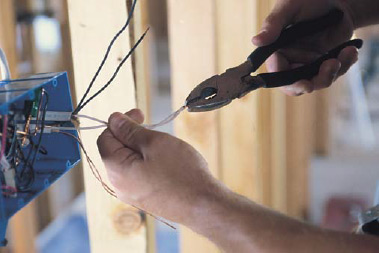
Step 1: Define Your Electrical Project and Needs
Before making calls, take a few minutes to understand what you actually need. This helps you ask better questions and get more accurate estimates.
- Identify the scope of work
Is this a simple repair like replacing outlets or light fixtures? Or a larger project such as a panel upgrade, generator installation, EV charger, or smart home system? - Match the electrician to the job
Residential service electricians typically handle repairs and upgrades inside homes, while more complex or commercial projects may require specialists with additional certifications. - Know your home’s history
The age of your home, past renovations, and any known electrical issues (like frequent breaker trips or outdated wiring) give electricians critical context when quoting the job.
Step 2: Research and Verify Professional Credentials
This is where many homeowners get burned—by skipping verification.
- Confirm licensing and insurance
Any electrician you hire should hold a valid license and carry liability insurance and bonding. This protects you if something goes wrong. - Understand experience levels
A Master Electrician can design and plan electrical systems, while a Journeyman Electrician is licensed to install and repair them. Both are valuable—what matters is proper certification for the work being done. - Check reviews and references
Look for consistent feedback on Google or Yelp, and don’t hesitate to ask for references from recent, similar projects. - Look for industry affiliations
Memberships with organizations like the Better Business Bureau (BBB), National Electrical Contractors Association (NECA), or International Brotherhood of Electrical Workers (IBEW) often signal a commitment to professionalism, training, and safety standards.
Step 3: Evaluate Quotes and Professionalism
The cheapest quote is rarely the safest choice.
- Request multiple itemized quotes
Aim for at least three estimates that clearly break down labor, materials, timelines, and any potential variables. - Watch for red flags
Be cautious of unusually low bids, requests for full payment upfront, or contractors unwilling to explain their pricing. - Assess communication style
A good electrician shows up on time, explains issues clearly (without scare tactics), and puts everything in writing. - Clarify warranties and permits
Make sure permits will be pulled when required and that warranties cover both parts and labor—not just materials.
Recognizing Warning Signs: When to Switch Electricians
Sometimes the best decision is knowing when to walk away.
- No documentation
Refusal to provide a written contract, proof of insurance, or license verification is a major red flag. - Poor communication
Missed appointments, vague updates, or unanswered questions often point to deeper professionalism issues. - Safety or comfort concerns
If a contractor ignores safety protocols or makes you uncomfortable in your own home, trust your instincts and end the relationship.
Frequently Asked Questions
How much does it usually cost to hire an electrician?
Costs vary by project complexity and location, but labor commonly ranges from $50–$100 per hour, with larger upgrades priced as flat-rate jobs.
Do I really need an electrician for small jobs like outlet installation?
Yes. Professional installation ensures the work meets current electrical codes and helps prevent fire or shock hazards.
Are permits required for electrical work?
Most upgrades and major repairs require permits and inspections. A licensed electrician handles this process for you.
How can I verify a license in my area?
Many states and municipalities offer online license lookup tools through their Department of Licensing or Labor.
How Excel Electrical Technologies Inc. Helps Chicagoland Homeowners
Since 2000, Excel Electrical Technologies has helped homeowners and businesses make confident, informed decisions about their electrical systems. We focus on safety, reliability, and long-term solutions—not quick fixes.
Our customers choose us for:
- Local expertise built on decades of experience throughout Cook, Will, and DuPage Counties
- Peace of mind, backed by a 10-year workmanship warranty and a 5-year warranty on supplied parts
- Clear, upfront pricing and written, pre-approved scopes of work
- A safety-first approach to everything from emergency repairs to panel upgrades and EV charger installations—no high-pressure upselling
From your first call with a real team member to final inspection, our goal is simple: help you feel confident that the work was done right. And if you’ve met our mascot, Sparky, you already know—we take electrical safety seriously, but we’re always happy to explain things in plain English.