

 (708) 798-1900
 Request Service

When to Replace an Electrical Outlet: Signs It’s Time for a Safety Upgrade
By: Omar Muhammad
Key Takeaways
- Burning smells, buzzing sounds, sparks, or outlets warm to the touch are urgent safety risks that require immediate attention.
- Older outlets—like two-prong receptacles or non-GFCI outlets in kitchens and bathrooms—should be upgraded to meet today’s safety standards.
- Physical wear, including loose plugs or cracked outlet plates, can lead to electrical arcing and fire hazards.
- One failing outlet can affect others on the same circuit, causing flickering lights, breaker trips, or power loss elsewhere in your home.
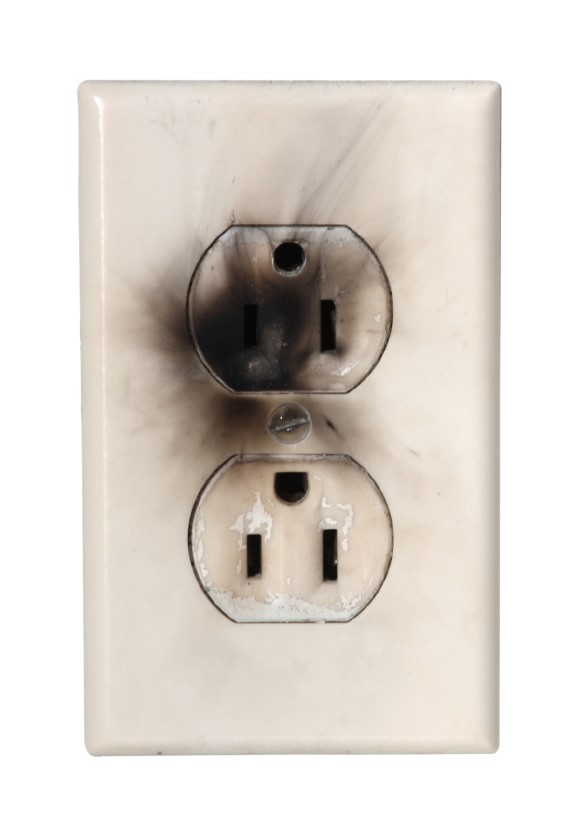
Electrical outlets are something most homeowners don’t think about—until something feels off. A warm outlet, a strange smell, or a loose plug can all be early warning signs of a much bigger electrical issue. Knowing when an outlet needs to be replaced can help protect your home, your electronics, and your family from serious safety risks.
Below, we’ll walk through the most common signs it’s time for an outlet upgrade, what modern safety standards require, and when it’s best to call a licensed electrician.
Immediate Warning Signs: When Your Outlet Shouts for Help
Some outlet problems aren’t subtle—and they shouldn’t be ignored.
- Burning odors or smoke
Any smell of burning plastic, smoke, or an ozone-like odor indicates overheating or internal arcing. Turn off the breaker immediately and stop using the outlet. - Buzzing or crackling sounds
Outlets should operate silently. Noises often point to loose wiring or failing internal components that can spark behind the wall. - Heat or discoloration
An outlet that feels warm or shows scorch marks has likely already suffered internal damage. This is a major fire risk. - Visible sparks
Occasional static sparks can happen, but repeated or large sparks when plugging in devices are a serious danger signal and should be checked by a professional.
Performance and Physical Issues You Shouldn’t Ignore
Not all outlet problems are dramatic, but they can still be dangerous over time.
- Loose connections
If plugs wobble or fall out easily, the internal contact springs are worn. Loose connections create arcing, which generates heat inside the wall. - Cracked or damaged plates
Cracks allow dust and debris into the electrical box, increasing the chance of overheating or ignition. - Flickering lights
Lights that flicker when using a specific outlet often indicate faulty wiring or an overloaded circuit. - Tripping circuit breakers
If a breaker trips repeatedly when using one outlet, it may be caused by a short circuit or internal outlet failure—not just a “sensitive” breaker.
Upgrading for Modern Safety Standards and Code Compliance
Electrical codes have changed for a reason—modern homes demand more power and better protection.
- Two-prong to three-prong upgrades
Older two-prong outlets are ungrounded, meaning excess electricity has nowhere safe to go. Grounded outlets greatly reduce shock and fire risks. - GFCI protection in wet areas
Kitchens, bathrooms, garages, basements, and outdoor outlets should have GFCI protection. These outlets shut off power instantly when moisture is detected, preventing electrocution. - Dedicated outlets for large appliances
High-load devices like window AC units, microwaves, and dryers often require dedicated circuits to operate safely. - Energy-efficient and smart outlets
Smart outlets can reduce phantom power usage, improve convenience, and allow remote control—while still meeting safety requirements.
Understanding Lifespan: When Does an Outlet “Expire”?
Outlets don’t last forever, even if they look fine.
- Typical lifespan
Frequently used outlets often wear out within 5–15 years. Light-use outlets may last up to 30 years. - GFCI lifespan
GFCI outlets typically last 15–25 years but must be tested regularly to ensure they still trip properly. - Wear and tear adds up
Every plug-in and removal slowly loosens internal connections, eventually increasing resistance and heat buildup.
Frequently Asked Questions
Can one bad outlet affect others in my home?
Yes. Many outlets are daisy-chained on the same circuit. A failure in one can cause power loss, flickering, or performance issues downstream.
Is it safe to replace an outlet myself?
Simple replacements can be DIY for some homeowners, but you should always call a licensed electrician if the outlet is warm, burnt, buzzing, or if your home has older wiring (like aluminum).
Why does my outlet wiggle when I plug something in?
This usually means the outlet was installed incorrectly, pushed too far into the wall, or has worn internal connections—creating a high risk for arcing.
How Excel Electrical Technologies Helps Chicagoland Homeowners
At Excel Electrical Technologies, we’ve been serving Chicagoland homes and businesses since 2000. Our licensed electricians focus on safety, code compliance, and long-term solutions—not quick fixes.
Homeowners choose us because we offer:
- Trusted local expertise with deep knowledge of Chicagoland housing and electrical systems
- Guaranteed peace of mind, including a 10-year workmanship warranty and a 5-year warranty on supplied parts
- Professional diagnostics and upfront pricing, so you know exactly what’s needed and why
- A friendly, responsive team (and our mascot, Sparky) that treats your home with care
We proudly serve communities across Cook, Will, and DuPage Counties, including Chicago and the surrounding suburbs. If something doesn’t feel right with an outlet in your home, it’s always better to check it early—before a small issue turns into a serious safety concern.