

 (708) 798-1900
 Request Service

How to Troubleshoot a Faulty Electrical Outlet
By: Omar Muhammad
Key Takeaways
- Safety First: If you see smoke, smell burning, or an outlet is hot to the touch, turn off the power at your main breaker immediately and call a licensed electrician.
- Quick Checks: Before picking up the phone, look for a tripped GFCI reset button, a flipped circuit breaker, or a wall switch controlling a “half-hot” outlet.
- Tool Testing: A properly working household outlet should read approximately 120V on a multimeter.
- When to Call: Persistent breaker tripping or any signs of melting wire, especially in homes built in the 1970s or earlier with aluminum wiring, require professional attention right away.
I have been serving homeowners and businesses across the South Suburbs of Chicagoland since 2000, and I can tell you that a dead or malfunctioning outlet is one of the most common calls we get. The good news is that some of these issues have simple fixes you can check yourself. The bad news is that some of them are genuinely dangerous and should never be treated as a DIY project.
In this guide, I want to walk you through exactly what to look for, what you can safely try on your own, and when it is time to put the outlet tester down and give us a call.
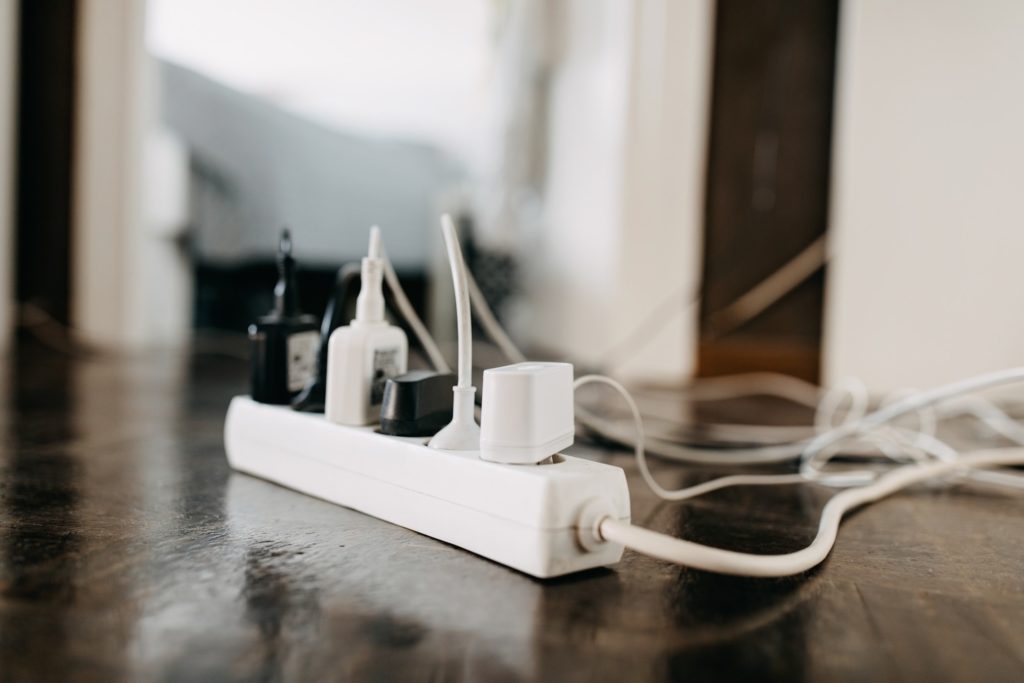
Common Signs of a Bad or Faulty Electrical Outlet
Not all outlet problems announce themselves with a dramatic spark. Many develop gradually. Here is what to watch for:
Visual Damage: Take a look at the outlet cover. Burn marks, discoloration, or visible cracks are never normal. If you see any of these, stop using that outlet.
Physical Wear: If plugs fall out on their own, or if the outlet feels loose and “wobbly” when you plug something in, the internal contacts are worn. That loose connection generates heat, which creates a fire risk over time.
Temperature Issues: An outlet that is warm or hot to the touch is a serious red flag. This is usually caused by an overloaded circuit or, worse, wiring that has started to melt behind the wall. Do not ignore this.
Performance Failures: Flickering lights in a room, or a popping sound when you plug in a device, both point to a connection problem that needs to be addressed sooner rather than later.
5 Common Reasons Your Outlet Stopped Working
Before you assume the worst, here are the most frequent culprits behind a dead outlet:
- Tripped Circuit Breaker Your breaker panel is designed to shut off power to a circuit when it detects an overload. It is a safety feature, and it works. A single tripped breaker can knock out multiple outlets at once.
- Tripped GFCI Outlet Ground Fault Circuit Interrupters are those outlets with the “Test” and “Reset” buttons, typically found in kitchens, bathrooms, and garages. When one trips, it can cut power to several other outlets in the same series throughout your home, even outlets in a completely different room. This surprises a lot of homeowners.
- Overloaded Circuit Plugging too many high-draw appliances, such as space heaters, window AC units, or hair dryers, into the same circuit can cause it to shut down. Spreading those loads across different circuits is the fix.
- Loose or Faulty Wiring Electrical connections degrade over time. They can corrode, loosen at the terminal screws, or simply wear out from years of use. This is one of the most common causes of intermittent outlet problems and is something we see regularly in older South Suburban homes.
- Blown Fuse If your home has a fuse box rather than a breaker panel, a blown fuse may be the culprit. Fuses must be replaced with the correct amperage, and if fuses are blowing repeatedly, that points to a bigger underlying issue.
Step-by-Step Electrical Outlet Troubleshooting Guide
Work through these steps in order before calling for service. You may save yourself a trip charge.
Step 1: Test the Device Plug the same appliance into a different outlet that you know is working. If the device still does not work, the problem is the appliance, not your outlet.
Step 2: Check Your Wall Switches Many living rooms and bedrooms have “half-hot” outlets, where one receptacle is controlled by a wall switch. Flip the switches in the room and see if that brings the outlet back to life. This one catches people off guard more often than you would expect.
Step 3: Reset All GFCI Outlets Walk through every room in your home, including the garage, basement, bathrooms, and kitchen, and press the “Reset” button on every GFCI outlet you find. One tripped GFCI in the garage can take out an outlet in the hallway bathroom. Reset them all before moving on.
Step 4: Inspect Your Main Panel Open your breaker box and look for any breaker that is sitting in the middle position or showing a red or orange indicator window. Flip it fully to OFF first, then back to ON. If it trips again immediately, stop there and call us.
Step 5: Visual and Voltage Testing If the outlet still has power but something seems off, use a plug-in outlet tester (available at any hardware store for under ten dollars) to check for proper grounding. A multimeter should read approximately 120V between the hot and neutral slots. If you get a significantly different reading, or no reading at all, it is time to call a pro.
When to Call a Professional Electrician
Some situations are beyond the scope of safe DIY troubleshooting. Please call us if any of the following apply:
Persistent Tripping: If a breaker trips the moment you reset it, there is likely a ground fault or short circuit on that line. Forcing the breaker back on repeatedly can cause serious damage and poses a real fire risk.
Burning Smells: An ozone-like odor or a smell that some describe as “fishy” or like burning plastic almost always means electrical arcing is happening somewhere behind your walls. This is an emergency, not something to wait on. Call an emergency electrician right away.
Aluminum Wiring Concerns: Homes built in the 1970s and earlier, which is a significant portion of the housing stock we work in across Cook, Will, and DuPage Counties, may have aluminum wiring. Aluminum expands and contracts with temperature changes more than copper does, which causes connections to loosen over time. This is a known fire hazard, and we are experienced in evaluating and addressing it.
Complex Repairs: If you are not comfortable working inside an outlet box, or if you suspect the problem involves your panel, a subpanel, or wiring inside the walls, please let a licensed electrician handle it. The cost of a professional repair is far less than the cost of a house fire.
Frequently Asked Questions
Can I replace an outlet myself? Technically, a handy homeowner can swap out a standard outlet. That said, I always recommend having a licensed professional do it. Beyond just making the connection, we verify that the circuit is properly grounded, the wiring is in good condition, and the outlet meets current code. A lot of DIY outlet replacements we see have subtle issues that can cause problems down the road.
Why is my outlet hot? Heat at an outlet is almost always a sign of excess electrical load or deteriorating wiring behind the wall. It should not be hot to the touch under any normal circumstances. Stop using it and have it inspected.
Are tamper-resistant outlets necessary? Yes, and they are now required by code in most new installations. Tamper-resistant outlets have a built-in shutter that only opens when equal pressure is applied to both slots simultaneously, preventing children from inserting objects into them. They also tend to grip plugs more securely than older outlet designs.
How Excel Electrical Technologies Inc. Can Help
At Excel Electrical Technologies, we have been taking care of homeowners and businesses across the South Suburbs of Chicagoland since 2000. Our service area covers Cook, Will, and DuPage Counties, and we know the electrical challenges specific to the homes and buildings in this region.
Here is what you can count on when you work with us:
- 10-year workmanship warranty and a 5-year warranty on supplied parts, because we stand behind every job we complete.
- Upfront, pre-approved pricing before any work begins. No surprises on your invoice.
- Licensed and fully insured electricians on every call.
- When you see our mascot Sparky on the truck, you know you are getting a team that takes diagnostics seriously and always leaves you with code-compliant, properly documented work.
If your outlet troubleshooting has not resolved the issue, or if anything you found in the steps above concerns you, give us a call. We would rather have you reach out and find out it is something simple than have you wait on something that turns into a bigger problem.
Your safety is our top priority – trust the local experts serving Chicagoland since 2000.