

 (708) 798-1900
 Request Service

Power Outage Preparedness: Protecting Your Home’s Electrical Systems Before, During, and After an Outage
By: Omar Muhammad
Power outages are becoming more common as severe weather increases across the region, and the electrical systems homeowners depend on most, sump pumps, HVAC equipment, and everyday appliances, are often the most vulnerable when the power goes out. This guide covers what typically fails during an outage, how to prepare with backup power, and what to check once electricity is restored.
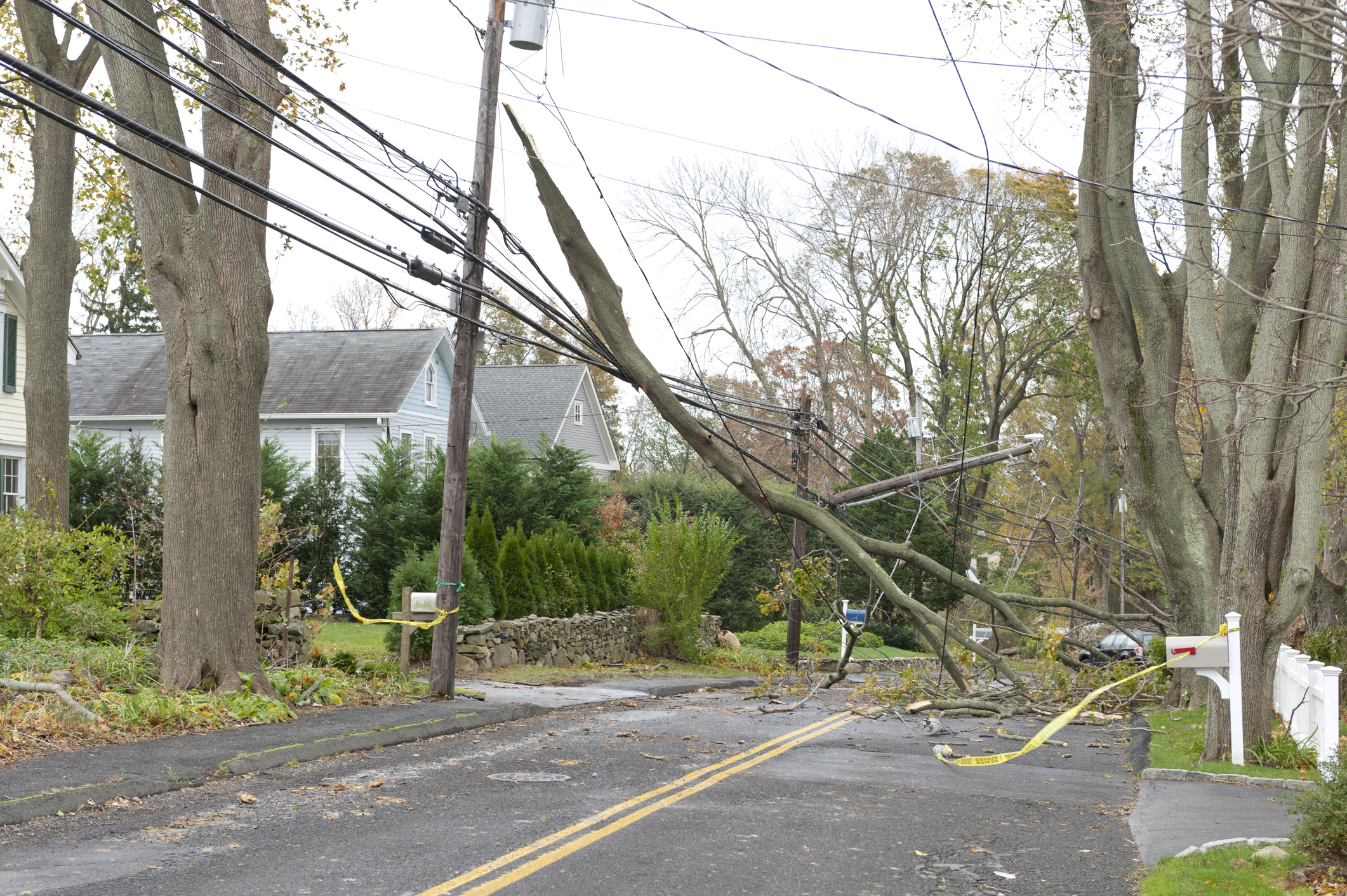
What Puts Your Home at Risk During an Outage
Sump pumps are one of the biggest concerns during a power outage, especially when it coincides with heavy rainfall. A standard sump pump runs entirely on electricity, so once the power cuts out, it stops removing water from the basement or crawl space. In a serious storm, this can lead to flooding within hours. A battery-backup sump pump system, or a generator sized to run the pump, is one of the most effective ways to avoid this. If your sump pump does fail and flooding occurs, we recommend our friends at Suburban Plumbing Experts to help assess and repair any plumbing issues.
HVAC systems also go down immediately during an outage. In summer, indoor temperatures can climb quickly, creating real risk for children, older adults, and anyone with a health condition sensitive to heat. In winter, a lack of heat puts pipes at risk of freezing and bursting, which can lead to significant water damage on top of the electrical issue.
If a basement does flood during an outage, or a frozen pipe bursts once heat is restored, water damage restoration should be handled quickly to prevent mold growth and further structural damage. Addressing the electrical cause, whether that’s a failed sump pump or a lack of backup power, is just as important as the cleanup itself, since the same conditions will likely repeat during the next outage without a fix in place.
Refrigerators and freezers hold food safely for a limited window without power, generally around 24 hours in a closed refrigerator and 24 to 36 hours in a full freezer. Beyond that, spoilage becomes a real concern.
Medical equipment that relies on continuous power, such as oxygen concentrators or CPAP machines, needs its own backup plan. A short outage can turn into a medical emergency without one.
Security and communication systems, including alarm systems, garage door openers, and Wi-Fi-dependent equipment, typically go offline as well unless they’re on a backup circuit.
Backup Power Options Worth Considering
Not every home needs the same level of backup power, but a few options cover most situations.
- Portable generators are a lower-cost option that can power select circuits or individual appliances, but they require manual setup, fuel storage, and safe outdoor placement to avoid carbon monoxide risk.
- Standby generators are permanently installed, run on natural gas or propane, and start automatically within seconds of an outage. These typically power the whole home, including HVAC, sump pumps, and refrigeration, without any manual intervention.
- Battery-backup sump pump systems are a smaller, targeted investment specifically for flood protection, useful even in homes that also have a generator, since they add a layer of redundancy.
- Whole-house battery storage systems are becoming more common as an alternative or supplement to generators, storing power in advance and deploying it automatically during an outage.
Sizing and installing any of these systems correctly requires an understanding of a home’s electrical panel and load requirements, which is best handled by a licensed electrician rather than a generic installation.
Restoring Power Safely: What to Check When Electricity Returns
The moment power comes back on can be just as risky as the outage itself, particularly if a power surge accompanies restoration.
- Check for a power surge before plugging anything back in. Surges can damage computers, televisions, appliances, and HVAC equipment that were left plugged in during the outage.
- Inspect the sump pump and basement area for signs of water intrusion, especially if the outage occurred during heavy rain.
- Test GFCI outlets and breakers to confirm nothing tripped or was damaged during the outage.
- Check the refrigerator and freezer for spoiled food before restocking.
- Reset and test any backup systems, including generators and battery backups, to confirm they’re ready for the next outage.
Preventing Damage With a Whole-House Surge Protector
A whole-house surge protector, installed at the electrical panel, is one of the most effective ways to protect a home’s electrical systems from damage when power is restored after an outage. Rather than relying on individual surge protector strips for each device, a whole-house system protects everything connected to the panel at once, including major appliances and HVAC equipment that aren’t practical to unplug during a storm.
Building a Power Outage Plan
A few practical steps go a long way toward reducing risk during the next outage:
- Keep flashlights, LED candles, and extra batteries in accessible locations throughout the home
- Keep phones, tablets, and portable chargers fully charged when severe weather is expected
- Store bottled water if the home relies on a well pump for water
- Remove valuables and furnishings from the basement ahead of heavy rainfall if a battery-backup sump pump isn’t in place
- Have a plan for any household member who depends on electric-powered medical equipment
- Plan for exterior cleanup after severe storms, including power washing to clear mud, debris, or salt buildup from driveways and siding. If commercial power washing is needed for your business, restaurant, gas station, etc. we recommend our friends at Johnny’s Pressure Washing.
- After a major storm, walk the outside of the home and look at the roof and siding, especially around the electric meter and the mast where power lines connect. Loose shingles, torn siding, or a leaning mast can let water reach the meter base and wiring. If you spot storm damage, a trusted roofing contractor or siding company can make repairs, and we can inspect the service entrance before anything is put back.
When to Call a Licensed Electrician
Homeowners considering a generator, battery backup, or whole-house surge protector should have the work evaluated and installed by a licensed electrician. Improper installation of backup power systems is a common cause of equipment failure, code violations, and in some cases, safety hazards like backfeeding into utility lines. A professional assessment also identifies whether a home’s existing panel and wiring can support the additional load before any equipment is installed.
Excel Electrical Technologies has served Orland Park and the surrounding communities with residential and commercial electrical services, including generator installation, whole-house surge protection, and sump pump backup systems. Contact us for a free quote or to schedule an inspection of your home’s outage preparedness.